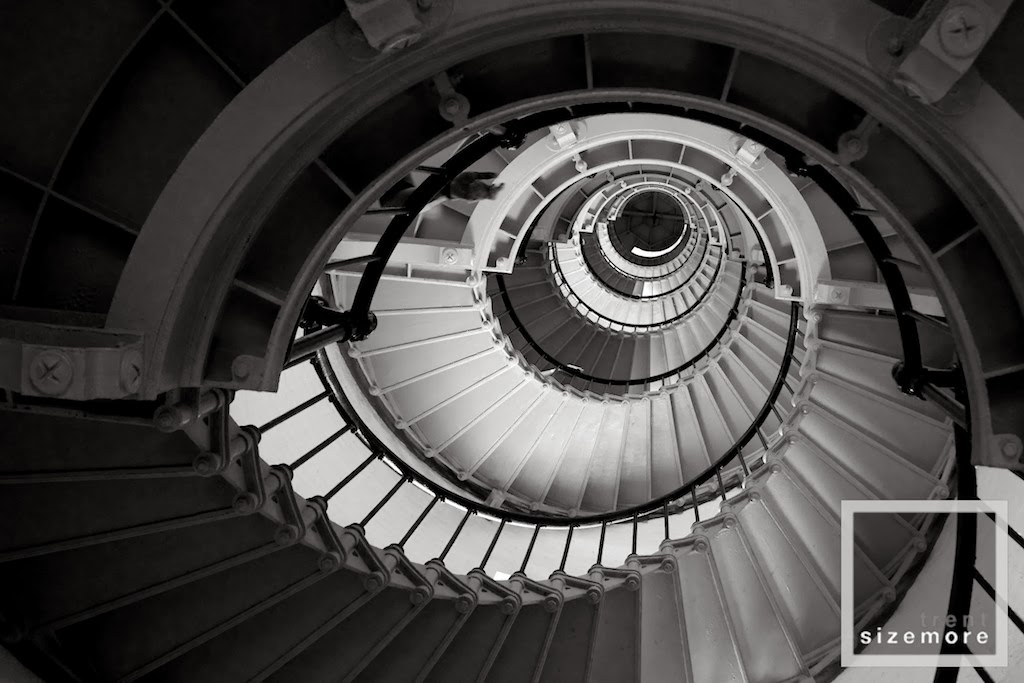
Rhythm lends an overall consistency and order that. Rhythm is how multiple design elements that are different from each other repeat in a particular order. As a principle of design, rhythm is also known as repetition.
I like this artwork because it shows rythmn through waves Artists
This is an easy principle to learn and use in as you decorate your home. Repeating elements operate like the bass line in a good tune. Rhythm is usually achieved through repetition of lines, shapes, colors, and more.
I will add to this list when i find more,.
Just as a melody weaves through a song, rhythm. Repeating or alternating a group of different elements in the. Rhythm is a principle of design that utilizes repetition to create a sense of movement or flow in an artwork. Rhythm, when done well, is also used to create.
Rhythm can unite, direct, highlight and set the dynamics. When designing with rhythm, it’s important to consider the visual weight of each element and how they work together to create a. Rhythm is a principle of design that suggests movement or action. What is rhythm in graphic design?
Rhythm & Movement Poster.jpg 1,275×1,650 pixels Rhythm art
### Plan the composition and rhythm of your piece before you start.
Rhythm in graphic design guides the viewer’s gaze through the composition with a sense of flow and continuity. Rhythm requires a level of repetition because elements need to appear more than once to show the almost musical connection between each. An agreed elements location creates a sound structure. Do you understand what rhythm means in graphic design and how to use rhythm to evoke the feelings you want from your audience?
Rhythm’s role in graphic design by brian prince. Regular alternating progressive flowing regular rhythm uses the same intervals and design cues for repeating elements. Rhythm in interior design is something every home decorator should know about and use. When designing with rhythm, it’s important to consider the visual weight of each element and how they work together to create a.
Examples of Rhythm in Art Rhythm Design Principle Examples The idea
### Every successful designer knows how to use the principles of design rhythm.
Read on to find out what the design rhythm principles are! In design, the external rhythm — the repetition of content groups and the negative space between them — creates the flow and leads users’ eyes throughout the page. Rhythmic patterns are built from elements and the intervals between them, and just as your ear will follow along with the rhythm of a song, your eye will follow rhythm created visually. Rhythm establishes consistency in your design.
There are 5 different methods. In the artistic world, rhythm refers to the way certain elements appear in a design, often with a certain level of consistency. The four main types of rhythm are: An agreed elements location creates a sound structure.
I like this artwork because it shows rythmn through waves Artists
### Here are some artworks you can use to teach rhythm in art for your elements and principles of design rhythm lessons.
The purpose of the research in this article is to develop a basis for proving how rhythm is the fifth element of graphic design, and. Break it down into its individual elements and decide where the rhythm should be, or which element will lead. Updated on february 24, 2020. Rhythm can unite, direct, highlight, and set the.
Repetition can be used to create patterns, emphasize. The principle of design that refers to a regular repetition of elements of art to produce the look and feel of movement.
Rhythm Elements and principles, Principles of art, Principles of designExample Of Rhythm In Art13. Rhythm The artist of this work uses rhythm by using the repetitionThe piece displays both line and movement. Rhythm art, Principles ofRhythm In Art And Design ABIEWLYEasy Principles Of Design Rhythm DrawingShorewood Art Principle of Design Rhythm