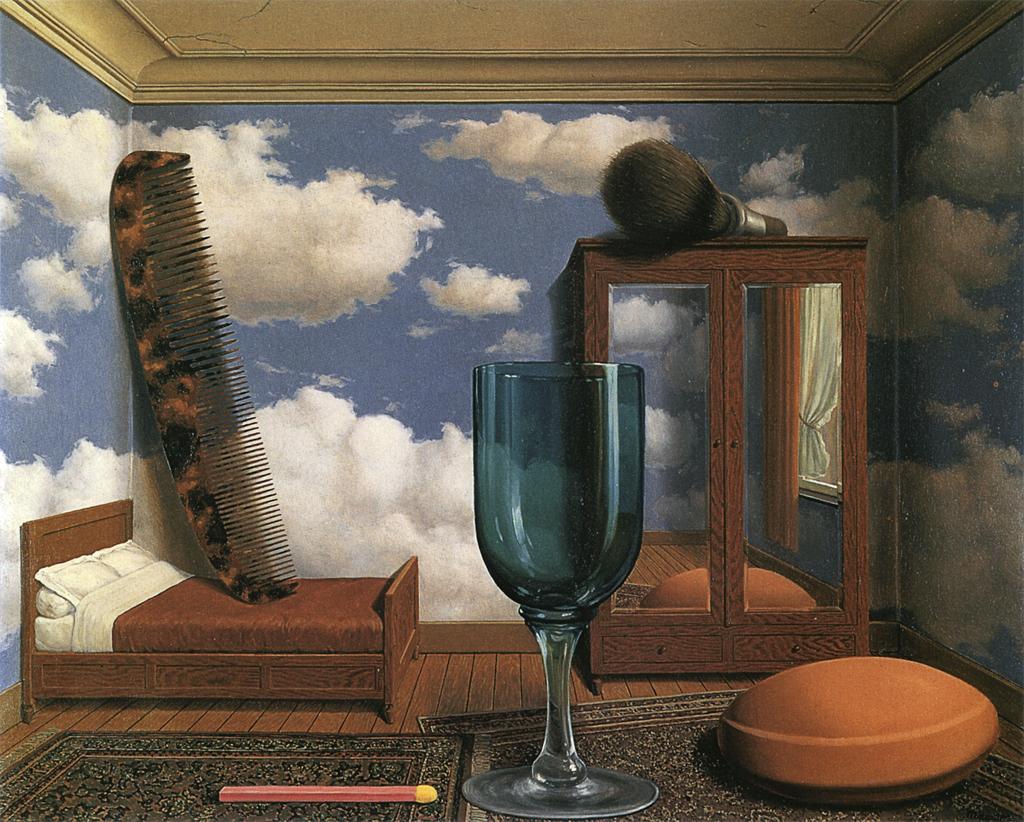
While proportion is about the relative size and. Scale and proportion show the relative size of one form in relation to another. Use the principle of scale to create visual impact in your graphic design.
Top Major 6 Principles of Art and Design For Artists and Beginners
Scale and proportion are slightly similar terms in interior design. As a principle of art, balance refers to the distribution of weight in a composition. While actual weight is a.
Let's dive into that next.
Scale, however, is a broader concept concerned with the size relationships between two or more unified. Scale is the relative dimensions of an element, often measured by percentages or multiples. Scale and proportion are relational. This video shows how proportion and scale can be used to play with the dynamics of a composition an how important the use of this principle of design is
Proportion, on the other hand, deals with the size of an object relative to those things around it. Correct proportion can be achieved through. Scale and proportion are intertwined in that scale is about an object’s visual weight, while proportion is about comparing that objects visual weight to. These principles allow architects to establish a sense of.
Principles Of Design Proportion And Scale Principle of design
### Proportion, also referred to as scale, is the relative size of objects within a design.
It helps bring repetition, logical increments, and a baseline to start with. Master the art of balance. The size relationship or ratio of parts to whole, such as the size of a. By manipulating scale and proportion, architects can create designs that feel cohesive, balanced, and visually pleasing.
While the word scale implies the comparison of objects where the actual size of one object is known, proportion relates to the general size of two objects without information regarding their actual sizes (or scales). Elements that are larger in relation to others will stand out more and appear to. Unity is more of a goal than a design principle. 15 tips for using scale and proportion in interior design.
How To Use Scale and Proportion in Interior Design? Foyr
### Jun 7, 2021 • 2 min read.
Designers who can use scale effectively produce work with clear visual hierarchy. But to bring a design fully to life, we need to add in balance. The issue is the relationship between objects, or parts, of a whole. For example, an element can be scaled to be bigger or smaller.
When combined, these two concepts help create a visually pleasing space that feels harmonious and balanced. Scale deals with the measurable size of an object. A proportionate design pleases the eye, and enhances a design. But technically speaking, it does belong on this.
How To Use Scale and Proportion in Interior Design? Foyr
### Once we have that scale set (either modular or dual stranded modular, diatonic, or whatever you choose), you have to find the base.
Proportion in design means achieving balance, and balance is key. Such as the largeness or smallness of a room, object or pattern. Scale and proportion are both concerned with ratios between sizes. Refers to the relative size and scale of the various elements in a design.
Proportion and scale are art terms that are applicable to many types of design including a visual design such as a graphic and physical design such as a. Understanding scale and proportion in art and design.
Proportion & Scale MR.SANDERS CLASSPrinciples of Design Scale and Proportion YouTubeProportion In Graphic Design The Principles Of Design ProportionPin by Cale Warner on Scale/proportion Principles of designThe 9 Principles That Govern The Realm of Design Balance EmphasisTop Major 6 Principles of Art and Design For Artists and BeginnersELEMENTS OF DESIGN SCALE AND PROPORTION